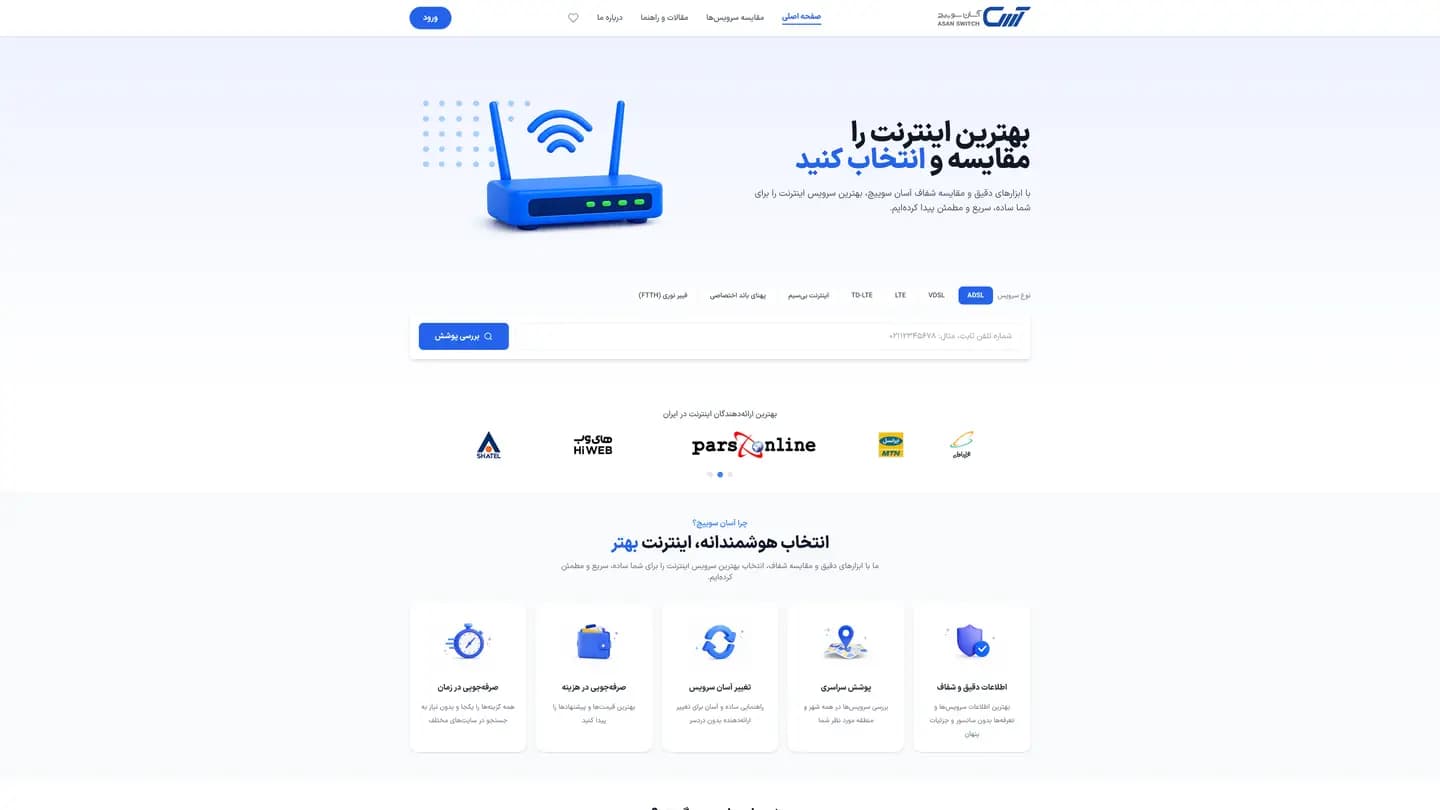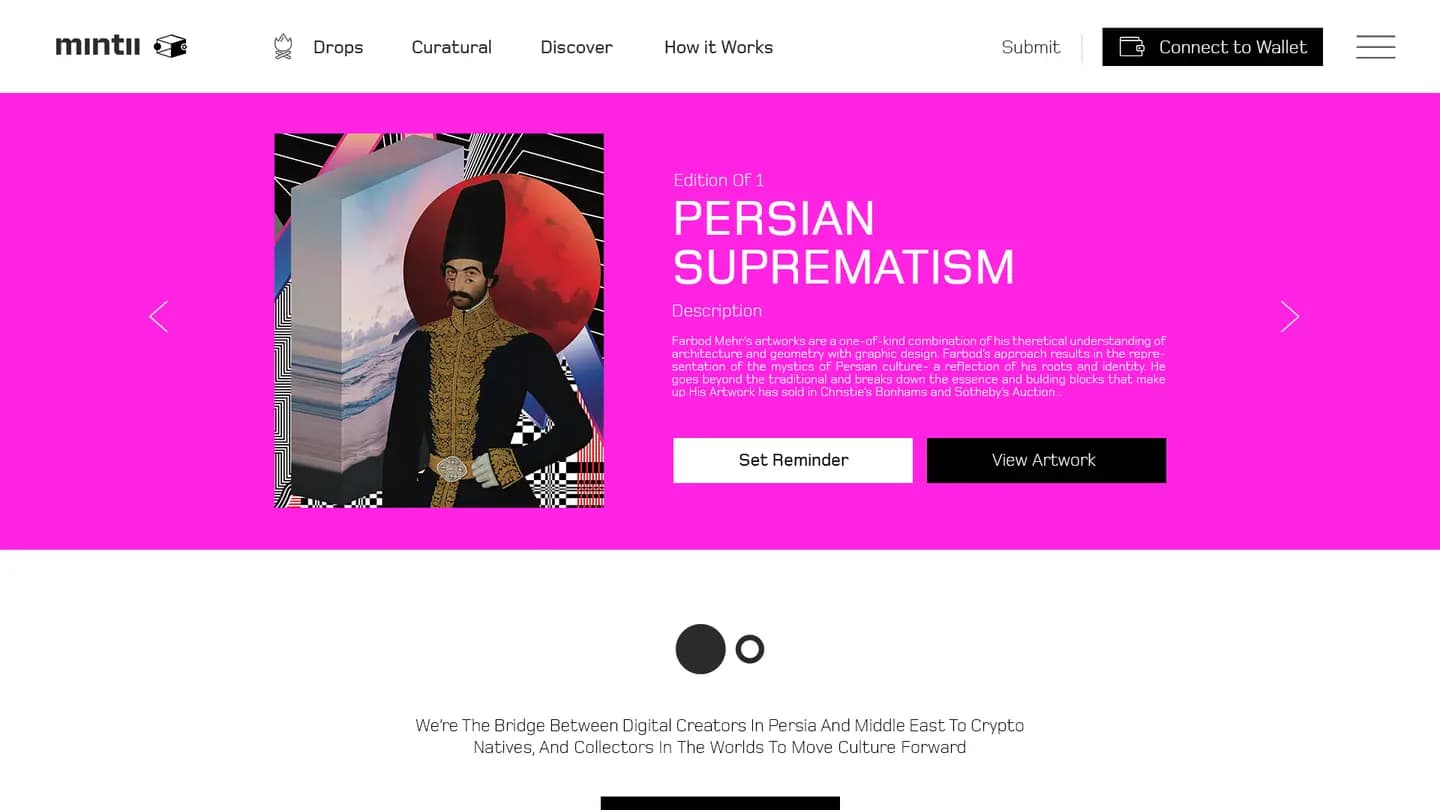
Custom web design & development
Sites and platforms designed and built for one business rather than assembled from a template. Structure, content model and interface are decided together, before the first component is written.
- Website redesign & modernisation
- High-converting landing pages
- Progressive web apps
Frontend development — React & Next.js
Production front ends with a bias toward fewer moving parts: server-rendered by default, interactive where interaction earns its cost, and measured against a performance budget.
- Component architecture
- Server rendering & SEO
- Performance budgets
- Accessibility
Backend engineering — Node.js, PHP & Python
APIs and services designed around the data model rather than the framework, so the second and third feature cost less than the first. Real-time, queued and background work included.
- API design
- Real-time services
- Queues & background workers
- Caching layers
CMS & WordPress engineering
Editing models built for the people who publish daily — custom themes and plugins, or a headless CMS behind a modern front end when that serves the product better.
- Custom themes & plugins
- Headless CMS
- Performance optimisation
- Editorial workflow
E-commerce development
Stores that carry the brand and the operations at the same time: variants, accounts, checkout, multilingual catalogues and the reporting the business actually runs on.
- WooCommerce
- Shopify
- Custom commerce platforms
- Multilingual storefronts
The same sevenStages.
The same sequence runs whether the engagement is four weeks or four quarters. Only the depth of each stage changes.
Discover
Business goals, users, workflows, constraints and the existing system. We write down what is true before proposing anything.
Strategize
Scope, sequence and the technical direction. Architecture and stack are decided here, after the problem — never before it.
Design
Flows and interfaces designed against real content and reviewed in the browser, with data model and interface moving together.
Build
Short cycles and working software each time. Frontend, backend, data and infrastructure are built as one system, not four.
Test
Automated coverage where it pays, security and performance checks, and structured sessions with the people who will use it.
Launch
Deployment, migration and the handover of a system your own team can operate, with monitoring in place before release.
Grow
Measurement, iteration, new capabilities and scaling. Most of a product’s real life happens here.